
Pericardial Disease
Pericardial Disease – Causes, Symptoms & Advanced Treatment at Cosmic Heart Institute
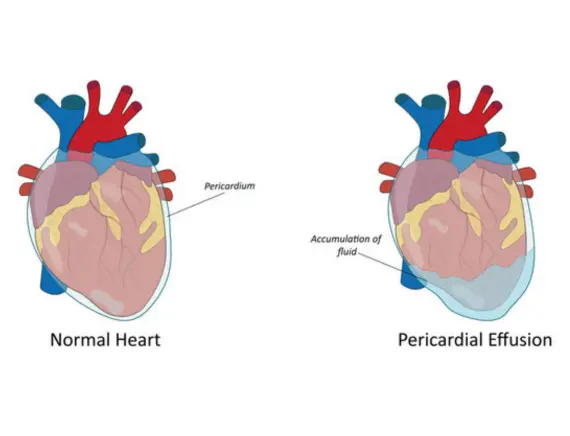
Pericardial Disease refers to a group of conditions that affect the pericardium, the thin, double-layered sac that surrounds and protects the heart. It contains a small amount of fluid that reduces friction during heartbeats. When this protective layer becomes inflamed, infected, filled with excess fluid, or stiff, it can disrupt normal heart function and lead to serious health complications.For people looking for expert evaluation and pericardial disease treatment in Gorakhpur, Cosmic Heart Institute & Superspeciality Hospital is one of the region’s most trusted and advanced cardiac care centers. The hospital is equipped with state-of-the-art cardiac diagnostic technology, a 24×7 emergency unit, and experienced cardiologists dedicated to treating complex heart conditions.
What is Pericardial Disease?
Pericardial Disease refers to a group of medical conditions that affect the pericardium, which is the thin, double-layered sac that surrounds and protects the heart. This sac contains a small amount of fluid that helps reduce friction as the heart beats. When the pericardium becomes inflamed, infected, injured, stiff, or filled with excess fluid, it can interfere with normal heart function and lead to discomfort, breathing difficulty, and in severe cases, life-threatening complications.
Types of Pericardial Disease
Common forms of pericardial disorders include:
- Pericarditis: Inflammation of the pericardium, often causing sharp chest pain.
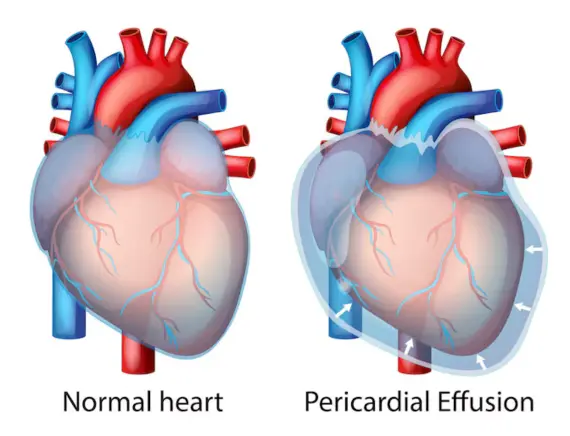
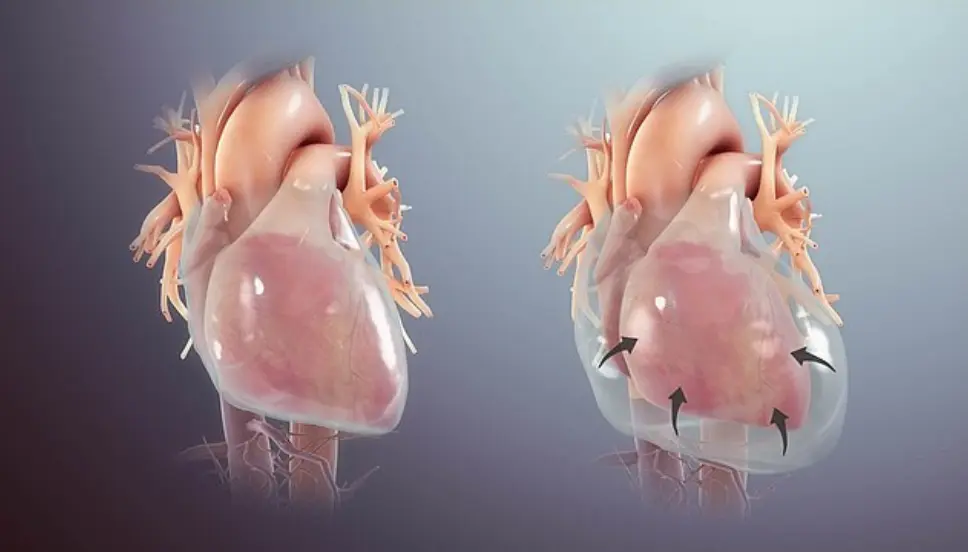
- Pericardial Effusion: Excess fluid buildup around the heart.
- Cardiac Tamponade: A medical emergency in which fluid pressure prevents the heart from pumping effectively.
- Constrictive Pericarditis: Thickening or scarring of pericardium, reducing heart function.


Common Causes & Risk Factors
Pericardial disease may arise due to several medical conditions, such as:
- Viral, bacterial, or fungal infections
- Heart attack or post-cardiac surgery complications
- Autoimmune disorders (Rheumatoid Arthritis, Lupus)
- Chronic kidney disease or metabolic disorders
- Tuberculosis (an important cause in India)
- Radiation therapy to the chest
- Injury or trauma to the chest
- Certain medications and cancers
Symptoms of Pericardial Disease
The symptoms can vary based on severity and type of disease, and may include:
- Sharp, stabbing chest pain (may worsen with breathing or lying down)
- Shortness of breath, especially when reclining
- Heart palpitations or rapid heartbeat
- Fatigue and weakness
- Swelling in legs or abdomen
- Low-grade fever
- Persistent cough
If symptoms are severe or sudden, immediate medical care is essential, as conditions like cardiac tamponade can be life-threatening.
Diagnosis at Cosmic Heart Institute, Gorakhpur
The hospital offers advanced cardiac diagnostic facilities, including:
- ECG (Electrocardiogram)
- 2D/3D Echocardiography
- Pericardial fluid analysis
- Cardiac MRI & CT Scan
- Chest X-ray
- Blood tests & inflammatory markers
- Cardiac catheterization (when required)
These tests help determine the amount of fluid, inflammation levels, and impact on heart function.
Pericardial Disease Treatment in Gorakhpur
Treatment depends on the cause, type, and severity of the condition. At Cosmic Heart Institute, treatment options include:
1. Medication Therapy
Used to reduce inflammation, prevent infections, and relieve symptoms:
- NSAIDs or pain relievers
- Colchicine for inflammation control
- Steroids (in specific cases)
- Antibiotics or anti-tuberculosis therapy (if infection-related)
2. Pericardiocentesis
A minimally invasive procedure to remove excess fluid from around the heart, often guided by echocardiography.
3. Surgical Pericardiectomy
For constrictive pericarditis or recurrent effusion, removal of part or the entire pericardium may be recommended.
4. Continuous Monitoring & Cardiac Rehabilitation
Long-term follow-up helps maintain heart function and prevents recurrence.
Why Choose Cosmic Heart Institute & Superspeciality Hospital, Gorakhpur?
- Skilled and experienced cardiologists & cardiac surgeons
- Advanced Cath Lab & 24×7 emergency cardiac care
- Modern diagnostic & cardiac imaging technology
- Expertise in treating TB-related and complex pericardial diseases
- Compassionate care, safe treatment & long-term monitoring
FAQs
Pericardial Disease refers to disorders that affect the pericardium, the thin protective sac surrounding the heart. These conditions may include inflammation, fluid buildup, infection, or thickening that interferes with normal heart function.
Common causes include viral or bacterial infections, autoimmune conditions, heart attack, chest injury, tuberculosis, kidney failure, cancer, and reactions from certain medications. Sometimes, the exact cause remains unknown.
Symptoms can include sharp chest pain, shortness of breath, irregular heartbeat, fatigue, swelling in legs or abdomen, fever, and a persistent cough. Severe cases may lead to cardiac tamponade, a life-threatening emergency.
Diagnosis may include ECG, 2D Echocardiography, Cardiac MRI, CT Scan, Chest X-ray, blood tests, and pericardial fluid analysis. These tests help identify inflammation and fluid accumulation around the heart.
Treatment depends on severity and cause. It may include anti-inflammatory medications, antibiotics, colchicine, or steroids. In cases of fluid buildup, pericardiocentesis (fluid drainage) or surgical pericardiectomy may be required.