Cholesterol
Cholesterol – Causes, Risks & Advanced Treatment at Cosmic Heart Institute, Gorakhpur
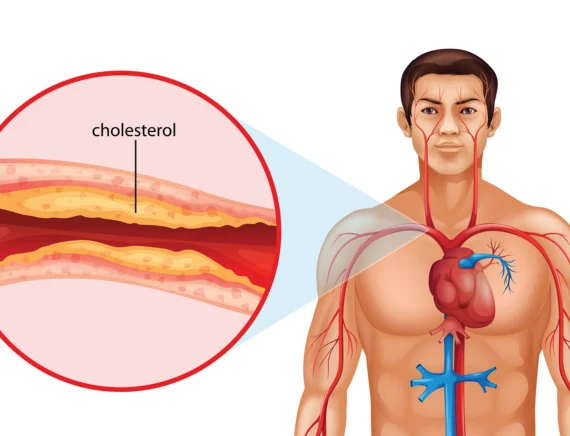
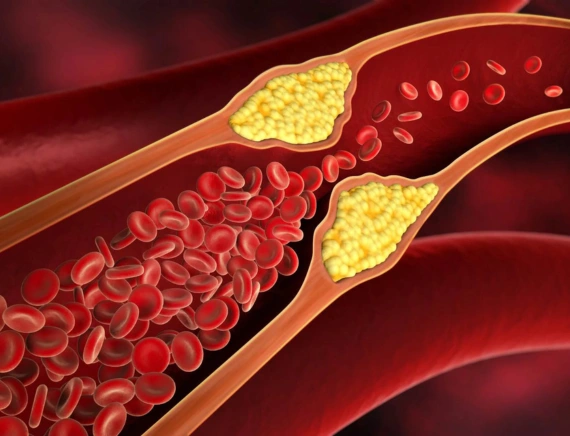
Cholesterol is a waxy, fat-like substance found in every cell of the body. It is essential for producing hormones, vitamin D, and digestive substances. However, when cholesterol levels become too high, they can start depositing in the walls of your arteries, reducing blood flow and increasing the risk of heart attack, stroke, and peripheral artery disease. High cholesterol is one of the most silent yet dangerous factors contributing to heart diseases in India.For reliable, comprehensive, and advanced management of cholesterol-related heart conditions, Cosmic Heart Institute & Superspeciality Hospital, Gorakhpur provides expert care with state-of-the-art diagnostics, personalized treatment plans, and experienced cardiologists committed to long-term heart health.
What is Cholesterol?
Cholesterol travels through the bloodstream attached to proteins, forming “lipoproteins.” There are mainly two types:
- LDL Cholesterol (Bad Cholesterol): High levels can cause buildup in artery walls, leading to blockages.
- HDL Cholesterol (Good Cholesterol): Helps remove LDL from blood vessels and transports it to the liver for removal.
A balanced cholesterol level is crucial to maintain healthy heart function and prevent cardiovascular diseases.
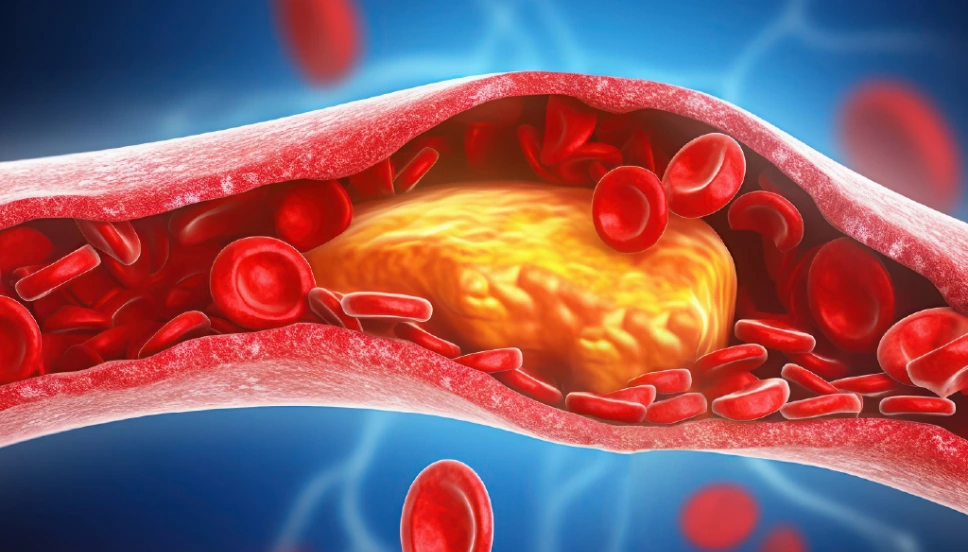


Causes & Risk Factors of High Cholesterol
Several factors contribute to elevated cholesterol, including:
- Unhealthy diet rich in saturated fats, red meat, and processed foods
- Lack of physical activity and sedentary lifestyle
- Obesity or being overweight
- Smoking and excessive alcohol intake
- Diabetes, hypertension, and thyroid disorders
- Family history of high cholesterol or heart disease
- Ageing and hormonal changes
Even individuals who appear healthy may have high cholesterol without knowing it, making regular check-ups important.
Symptoms of High Cholesterol
High cholesterol typically does not cause noticeable symptoms. Most people do not realize they have it until they undergo a blood test or develop complications such as:
- Chest pain or discomfort
- Shortness of breath
- Leg pain while walking (Peripheral Artery Disease)
- Fatigue or reduced exercise capacity
In some cases, cholesterol deposits may appear as yellowish fatty bumps (xanthomas) around the eyes, elbows, or knees.
Diagnosis at Cosmic Heart Institute, Gorakhpur
The hospital offers advanced diagnostic facilities to evaluate cholesterol levels and overall heart health. Common tests include:
- Lipid Profile Test (Total cholesterol, LDL, HDL, VLDL, Triglycerides)
- ECG & 2D Echocardiography
- Cardiac CT Angiography
- Coronary Angiography (if blockage is suspected)
- High-sensitivity CRP & other risk marker tests
These tests help doctors determine the severity of cholesterol-related risks and plan appropriate treatment.
Cholesterol Treatment in Gorakhpur
Treatment is tailored to the patient’s health status, age, and cardiovascular risk. Cosmic Heart Institute offers:
1. Medication Therapy
Doctors may prescribe statins, fibrates, cholesterol absorption inhibitors, or PCSK9 inhibitors to reduce LDL levels and prevent plaque buildup.
2. Lifestyle & Dietary Modification
Patients receive expert guidance on adopting heart-healthy habits, including a low-fat diet, fiber-rich foods, weight management, smoke-free lifestyle, and regular exercise routines.
3. Treatment for Blockages caused by High Cholesterol
If cholesterol buildup has already caused arterial narrowing, the hospital offers advanced cardiology procedures such as:
- Angioplasty & Stent Placement
- Coronary Artery Bypass Grafting (CABG)
- Cardiac Rehabilitation Programs for long-term recovery
Why Choose Cosmic Heart Institute, Gorakhpur?
- Experienced cardiologists specializing in cholesterol and heart disease
- Modern diagnostic technology & advanced cardiac treatments
- Comprehensive preventive cardiology programs
- 24×7 emergency and critical cardiac care
- Personalized treatment plans and long-term follow-up
FAQs
Cholesterol is a waxy, fat-like substance found in all cells of the body. It helps produce hormones, vitamin D, and bile acids for digestion. However, when cholesterol levels become too high, it can build up in the arteries, increasing the risk of heart attack, stroke, and other cardiovascular diseases.
High cholesterol can occur due to an unhealthy diet high in saturated and trans fats, lack of physical activity, obesity, smoking, excessive alcohol intake, diabetes, thyroid disorders, and genetic factors. Even individuals who appear healthy may develop high cholesterol without any symptoms.
High cholesterol usually does not cause visible symptoms. Most people discover it during routine blood tests. In advanced cases, cholesterol buildup may lead to chest pain, breathlessness, fatigue, or blockages in the arteries. Sometimes fatty deposits called xanthomas may develop on the skin or around the eyes.
Cholesterol is diagnosed through a simple blood test known as a Lipid Profile, which measures total cholesterol, LDL (bad cholesterol), HDL (good cholesterol), triglycerides, and VLDL levels. Additional tests like ECG, echocardiography, CT angiography, or coronary angiography may be recommended if heart blockage is suspected.
Treatment includes a combination of medication and lifestyle changes. Doctors may prescribe statins, fibrates, cholesterol absorption inhibitors, or PCSK9 inhibitors depending on the severity. Diet improvement, regular exercise, weight management, stopping smoking, and reducing alcohol also play a major role in lowering cholesterol levels.