Hypertension
Hypertension – Causes, Symptoms & Advanced Treatment at Cosmic Heart Institute, Gorakhpur
Hypertension (High Blood Pressure) is one of the most common and dangerous cardiovascular conditions affecting millions of people worldwide. It occurs when the force of blood against the artery walls remains consistently too high, which puts extra stress on the heart and blood vessels. If left untreated, hypertension can lead to severe complications such as heart attack, stroke, kidney disease, vision loss, heart failure, and peripheral artery disease.For those seeking reliable and specialized hypertension treatment in Gorakhpur, Cosmic Heart Institute & Superspeciality Hospital offers expert diagnosis, personalized treatment plans, and advanced cardiac care facilities. With a team of experienced cardiologists, modern diagnostic technology, and a patient-centric environment, the hospital ensures safe and effective management of high blood pressure.
What is Hypertension?
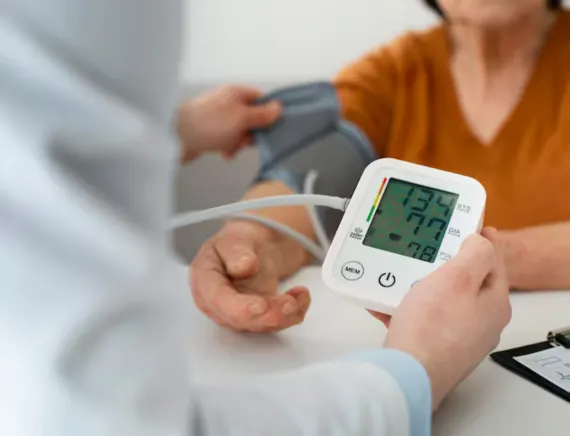
Hypertension is often called the “silent killer” because many people do not experience noticeable symptoms until serious complications occur. Blood pressure is measured in two values:
- Systolic Pressure – pressure when the heart pumps blood
- Diastolic Pressure – pressure when the heart rests between beats
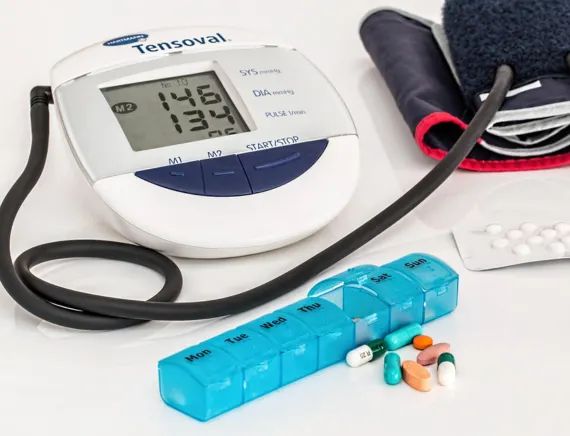
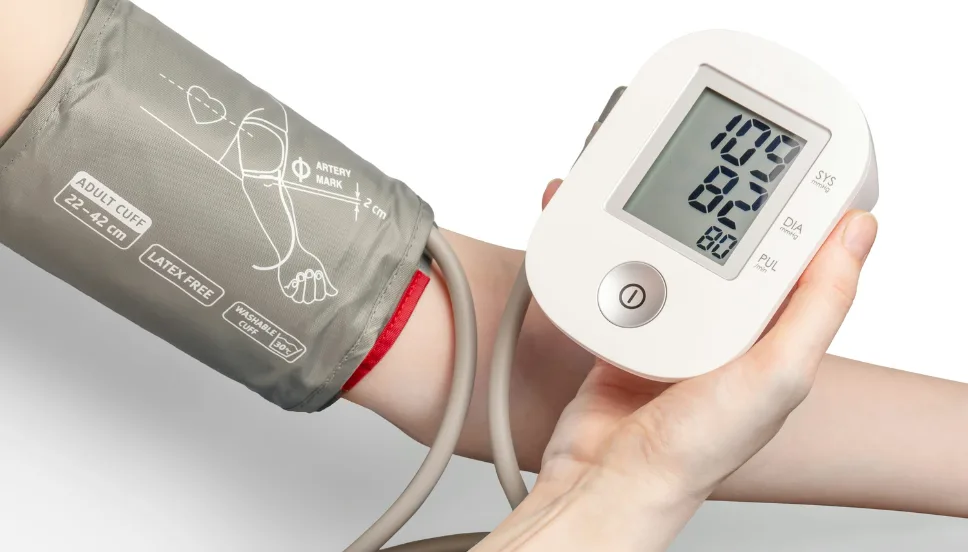
A normal blood pressure reading is generally around 120/80 mmHg. A reading consistently higher than 140/90 mmHg usually indicates hypertension.


Common Causes & Risk Factors
Hypertension can develop due to several health and lifestyle factors. Some of the most common include:
- Genetic or family history of high blood pressure
- Obesity or lack of physical activity
- High-salt or unhealthy diet
- Stress, anxiety, and lack of sleep
- Smoking and excessive alcohol intake
- Diabetes, kidney disease, thyroid disorders
- Age above 40 and certain medications
Symptoms You Should Not Ignore
Many people with hypertension may not notice symptoms, but when present, they can include:
- Headaches or dizziness
- Blurred vision
- Shortness of breath
- Chest pain or irregular heartbeat
- Fatigue or confusion
- Nosebleeds (in advanced stages)
If you experience these symptoms, timely evaluation is important to avoid major health risks.
Diagnosis at Cosmic Heart Institute, Gorakhpur
To identify the severity and underlying cause of hypertension, the hospital provides advanced diagnostic services, including:
- Blood pressure monitoring and Ambulatory BP Monitoring (ABPM)
- ECG (Electrocardiogram)
- 2D Echocardiography to assess heart health
- Blood tests to evaluate kidney, thyroid, and cholesterol levels
- CT / MRI & Renal Doppler (if required)
Hypertension Treatment in Gorakhpur at Cosmic Heart Institute
Treatment is customized for every patient based on their medical history, age, and risk factors. The hospital offers:
1. Medication Therapy
Doctors may prescribe antihypertensive medicines such as ACE inhibitors, ARBs, beta-blockers, diuretics, and calcium channel blockers to control blood pressure and protect organs.
2. Lifestyle & Dietary Management
Patients receive counseling and guidance on adopting a heart-healthy lifestyle, including:
- Low-salt, balanced diet
- Regular exercise and weight management
- Limiting alcohol and quitting smoking
- Stress reduction techniques and adequate sleep
3. Treatment of Related Heart Conditions
If hypertension has caused complications such as coronary artery disease, arrhythmias, or heart failure, the cardiac team provides complete treatment, including angioplasty, stent placement, pacemaker, and advanced cardiac support.
Why Choose Cosmic Heart Institute & Superspeciality Hospital?
- Expert cardiologists with experience managing complex hypertension cases
- Modern Cath Lab, ICU & emergency heart care
- Personalized treatment plans and long-term follow-up
- Advanced diagnostic testing and digital BP monitoring
- Patient education programs for lifestyle & risk reduction
FAQs
Hypertension, commonly known as high blood pressure, is a medical condition in which the force of blood pushing against the artery walls remains consistently too high. Over time, this extra pressure can damage blood vessels and increase the risk of stroke, heart attack, kidney disease, and other serious complications.
Many people with hypertension do not notice obvious symptoms, which is why it is often called a silent killer. When symptoms appear, they may include headaches, dizziness, shortness of breath, chest discomfort, fatigue, or blurred vision. However, regular blood pressure checks are the most reliable way to detect the condition.
Hypertension can result from factors such as family history, obesity, high-salt diet, stress, lack of physical activity, smoking, alcohol consumption, and aging. Medical conditions like kidney disease, thyroid disorders, and diabetes can also contribute to increased blood pressure.
Doctors diagnose hypertension by measuring blood pressure using a BP cuff or digital monitor. Additional tests such as blood investigations, kidney function tests, ECG, echocardiography, or ambulatory blood pressure monitoring (ABPM) may be recommended to evaluate organ health and rule out related complications.
Treatment includes a combination of medication and lifestyle changes. Doctors may prescribe antihypertensive medicines to maintain healthy blood pressure levels. Patients are also advised to follow a low-salt diet, exercise regularly, manage stress, avoid smoking and alcohol, and maintain a healthy weight for long-term control.