Heart Valve Problems
Heart Valve Problems – Causes, Symptoms & Advanced Treatment in Gorakhpur
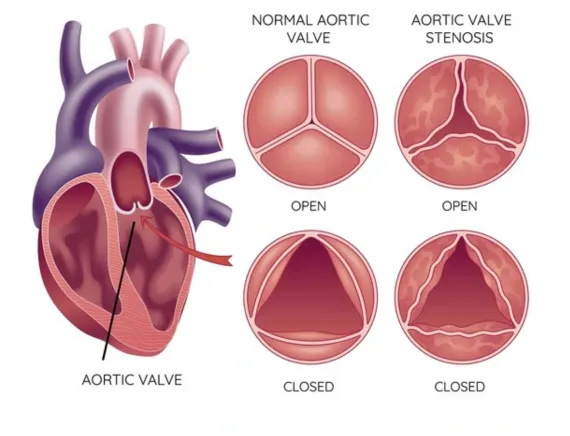
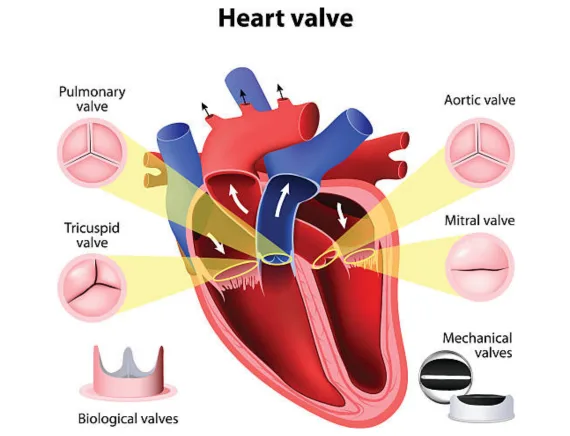
Heart valve problems occur when one or more of the heart’s four valves—mitral, aortic, tricuspid, and pulmonary—do not function properly. These valves play a crucial role in regulating blood flow through the heart. When they become narrowed (stenosis), leaky (regurgitation), or fail to open or close correctly, the heart has to work harder to pump blood. Over time, this can lead to serious health issues such as heart enlargement, heart failure, arrhythmias, or even life-threatening complications.For expert evaluation and treatment of heart valve disorders, Cosmic Heart Institute & Superspeciality Hospital, Gorakhpur offers advanced diagnostic technology, experienced cardiologists, and high-precision cardiac procedures. It is one of the leading heart hospitals in Eastern Uttar Pradesh for comprehensive valve care and minimally invasive valve treatments.
What is Heart Valve Problems?
Each heart valve has a specific job. When the valve becomes damaged or diseased, it affects blood flow in different ways:
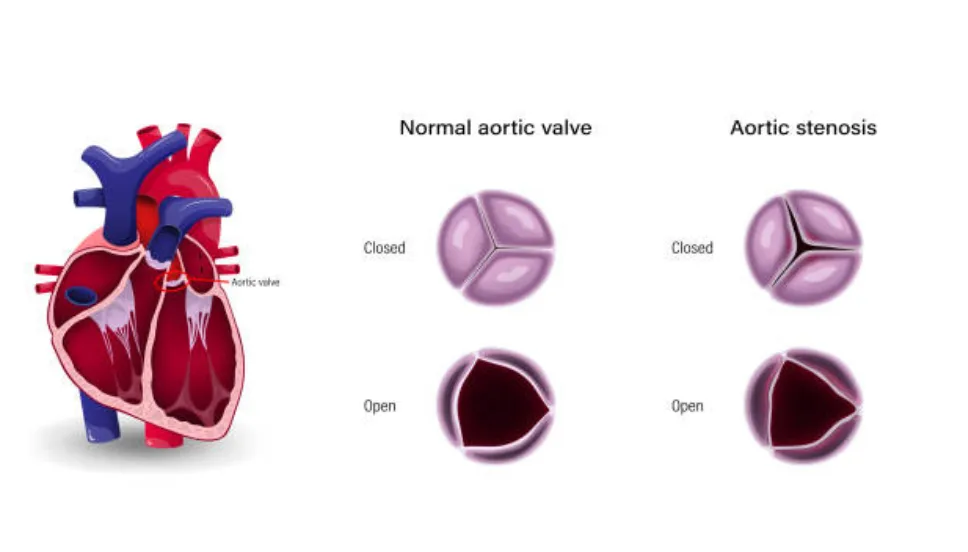
Valve Stenosis
The valve becomes stiff or narrow, restricting the flow of blood. This forces the heart to pump harder.
Valve Regurgitation (Leakage)
The valve does not close properly, causing blood to flow backward. This leads to reduced oxygen supply to the body and increased workload on the heart.
Valve Atresia
A rare condition where a valve is missing or poorly formed, usually identified at birth.


Causes & Risk Factors
Heart valve problems may develop due to several medical conditions or lifestyle factors, including:
- Rheumatic fever and Rheumatic Heart Disease
- Congenital heart defects (present from birth)
- Age-related degeneration or calcium buildup
- Infective endocarditis (heart infection)
- High blood pressure or heart attack
- Autoimmune disorders
- Radiation therapy to the chest
- Genetic factors
Common Symptoms of Heart Valve Problems
Symptoms depend on the affected valve and the severity of the condition. Many patients may not notice symptoms initially. Over time, they may develop:
- Breathlessness during activity or while lying down
- Chest pain, discomfort, or tightness
- Fatigue, dizziness, or fainting spells
- Irregular heartbeat or palpitations
- Swelling in legs, ankles, or abdomen
- Reduced ability to exercise
- Persistent cough or fluid retention
If any of these symptoms persist, timely evaluation by a cardiologist is essential.
Diagnosis at Cosmic Heart Institute, Gorakhpur
The hospital offers world-class diagnostic services to detect heart valve abnormalities with high accuracy:
- 2D/3D Echocardiography & Color Doppler
- ECG
- Cardiac MRI & CT Scan
- Transesophageal Echocardiography (TEE)
- Cardiac Catheterization
- Chest X-ray and blood tests
These tests help determine the type of valve disease and guide the most suitable treatment plan.
Heart Valve Treatment at Cosmic Heart Institute
Treatments are tailored according to the patient’s condition, age, and severity of valve damage.
1. Medication Therapy
Medicines may be prescribed to control symptoms, prevent infection, regulate heartbeat, and improve blood flow. These may include diuretics, beta-blockers, anticoagulants, and ACE inhibitors.
2. Minimally Invasive Valve Procedures
The hospital offers advanced catheter-based treatments such as Balloon Valvuloplasty, TAVR/TAVI (Transcatheter Aortic Valve Replacement), and Mitral Clip for selected patients who are not suitable for open-heart surgery.
3. Surgical Valve Repair or Replacement
For moderate to severe cases, cardiac surgeons perform:
- Valve Repair to restore the natural valve function
- Valve Replacement using mechanical or bioprosthetic valves
Cosmic Heart Institute ensures safe procedures, modern operation theatres, and expert post-operative care.
Why Choose Cosmic Heart Institute, Gorakhpur?
- Highly experienced cardiologists & cardiac surgeons
- Modern Cath Lab & advanced imaging
- Expertise in both minimally invasive and surgical valve treatments
- 24×7 cardiac emergency & ICU care
- Affordable, ethical, and patient-centric services
- Long-term follow-up and rehabilitation support
FAQs
Heart valve problems occur when one or more of the heart’s valves do not work properly. The valves may become narrowed (stenosis), leaky (regurgitation), or fail to open and close correctly. These abnormalities affect blood flow inside the heart and can lead to shortness of breath, chest discomfort, fatigue, and swelling in the legs.
Heart valve disease can develop due to several factors, including congenital defects present at birth, age-related wear and tear, rheumatic fever, infections such as infective endocarditis, calcium buildup on the valves, autoimmune disorders, and complications from untreated high blood pressure or heart attack.
Common symptoms include breathlessness, especially during physical activity, chest pain or pressure, irregular heartbeat, swelling of feet or ankles, dizziness, fainting spells, and extreme fatigue. Some people may not have symptoms initially, and the condition may be detected during routine cardiac check-ups.
Heart valve disease is diagnosed through tests such as ECG, 2D/3D echocardiography, color Doppler, chest X-ray, cardiac MRI, CT scan, and cardiac catheterization. These diagnostic tools help doctors assess valve structure, function, and the severity of the disease.
Treatment depends on the severity of the condition. Mild cases may be managed with medications to control symptoms and prevent complications. Moderate to severe valve disease may require minimally invasive procedures like balloon valvuloplasty, TAVR/TAVI, or surgical valve repair or replacement. Treatment plans at Cosmic Heart Institute are customized for every patient to ensure the best outcomes.