
Angina


Angina Treatment in Gorakhpur at Cosmic Heart Institute & Superspeciality Hospital
Angina, commonly known as chest pain, is a warning sign that your heart may not be getting enough oxygen-rich blood. It often feels like pressure, tightness, heaviness, or squeezing discomfort in the chest. Sometimes, the pain can also spread to the shoulders, arms, neck, jaw, or back. If you or your loved one is experiencing frequent chest pain, it is critical to seek expert cardiac care.Cosmic Heart Institute & Superspeciality Hospital in Gorakhpur offers advanced diagnosis and treatment for Angina with world-class cardiac facilities.
What is Angina?
Angina is not a disease itself but a symptom of Coronary Artery Disease (CAD) – a condition where cholesterol deposits known as plaque narrow the arteries supplying blood to the heart. When the heart does not receive sufficient blood flow, it triggers chest pain or discomfort.
There are mainly three types of Angina:
- Stable Angina – Occurs during physical activity or stress and improves with rest.
- Unstable Angina – Sudden and severe chest pain, even at rest; requires urgent medical care.
- Variant/Prinzmetal Angina – Caused by artery spasms and may occur at night or early morning.
Unstable Angina can be life-threatening and may lead to a heart attack if not treated on time.
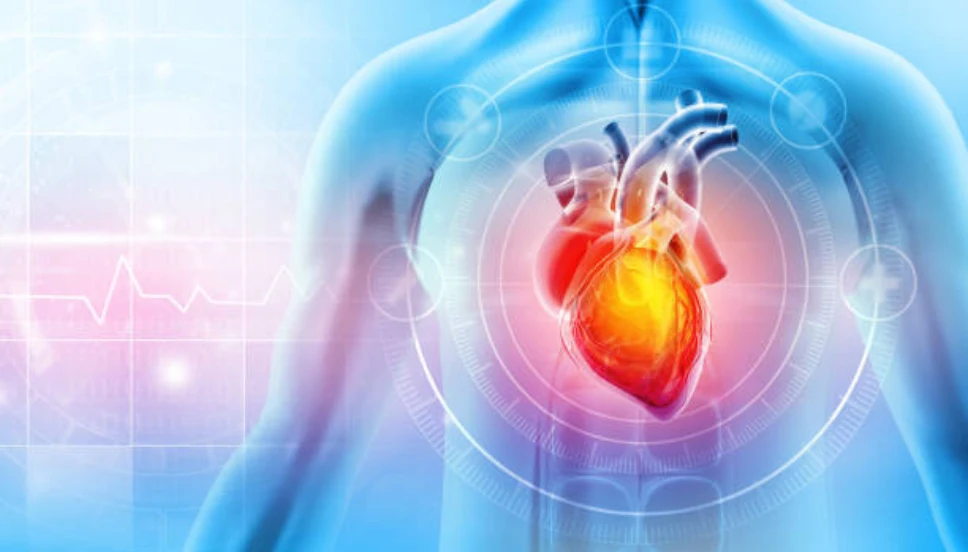


Symptoms of Angina
Common symptoms include:. The most common causes include:
- Pressure, burning, or tightness in the chest
- Pain in arms, neck, jaw, shoulder, or back
- Shortness of breath
- Fatigue and weakness
- Nausea, sweating, or dizziness
If symptoms last more than a few minutes or worsen rapidly, it is a medical emergency.
Angina Treatment at Cosmic Heart Institute & Superspeciality Hospital, Gorakhpur
Cosmic Heart Institute is one of the leading cardiac hospitals in Gorakhpur, equipped with an advanced Cardiac Cath Lab, skilled cardiologists, and state-of-the-art heart care technology. The hospital follows a comprehensive approach for Angina management, including accurate diagnosis, medical therapy, interventional procedures, and lifestyle guidance.
Diagnostic Tests for Angina
The hospital offers complete heart evaluation, including:
- ECG (Electrocardiogram)
- Echocardiography (2D Echo)
- Treadmill Test (TMT)
- Coronary Angiography
- Blood Tests for Cardiac Markers
Angina Treatment Options
Treatment depends on severity and includes:
Medication Management
Doctors may prescribe:
- Nitrates to relieve pain
- Beta-blockers & calcium channel blockers
- Antiplatelet medications (Aspirin)
- Cholesterol-lowering drugs (Statins)
Angioplasty & Stent Placement
A minimally invasive procedure to widen blocked arteries and improve blood flow.
Coronary Artery Bypass Grafting (CABG)
Recommended for major blockages, helps create a new path for blood flow around narrowed arteries.
Cardiac Rehabilitation & Lifestyle Support
Diet counseling, exercise guidance, stress management, and long-term follow-up.
Why Choose Cosmic Heart Institute & Superspeciality Hospital?
- Experienced & highly qualified cardiologists
- 24×7 emergency & critical cardiac care
- Modern Cath Lab & advanced diagnostic technology
- Personalized treatment plans
- Patient-centered care and long-term heart health support
Take Care of Your Heart
Ignoring Angina can be risky. Early diagnosis and timely treatment can prevent serious complications like heart attack or heart failure. If you experience chest pain or any heart-related symptoms, consult the cardiac experts at Cosmic Heart Institute & Superspeciality Hospital, Gorakhpur.
FAQs
Angina is a medical condition characterized by chest pain or discomfort that occurs when the heart muscle does not receive enough oxygen-rich blood. It is usually linked to reduced blood flow in the coronary arteries, most commonly due to coronary artery disease. People often describe angina as a feeling of pressure, heaviness, squeezing, or tightness in the chest.
Angina may cause uncomfortable sensations in the chest that can spread to other parts of the body. A person may experience pain or discomfort in the arms, shoulders, neck, jaw, or back. Some individuals also report shortness of breath, nausea, unusual tiredness, or sweating, especially during physical activity or emotional stress. If these symptoms become more frequent or occur even at rest, immediate medical attention is important.
Yes, there are several forms of angina. Stable angina usually appears during exertion or stress and improves with rest or medication. Unstable angina is a more serious condition where symptoms become unpredictable, more intense, or appear even without physical activity, and it requires urgent medical care. Another type is variant or Prinzmetal’s angina, which is caused by spasms in the coronary arteries. Additionally, some individuals experience microvascular angina, linked to dysfunction in the heart’s tiny blood vessels rather than major arteries.
Doctors diagnose angina through a detailed medical history, physical evaluation, and specialized heart tests. Depending on the case, tests may include an ECG to study heart rhythm, an echocardiogram to check heart function, or a stress test to observe the heart during physical activity. Advanced diagnostic methods such as CT coronary angiography or coronary angiography may be used to identify blockages or narrowing in the heart arteries. Blood tests may also be conducted to rule out a heart attack or measure risk factors.
Treatment for angina focuses on improving blood flow to the heart and reducing the frequency of symptoms. Doctors may prescribe medications to relax and widen blood vessels, prevent blood clots, reduce cholesterol, or control blood pressure and heart rate. Lifestyle changes such as adopting a heart-healthy diet, exercising as recommended, avoiding smoking, managing stress, and maintaining a healthy weight are also important. In some cases where arteries are significantly blocked, procedures like angioplasty with stent placement or coronary artery bypass surgery may be necessary to restore proper circulation.